Bicycling is fun(ny)

Just for fun:
If there isn’t a source then it’s a joke from a friend or original wit.

Knock knock
Who’s there?
Isabell
Isabell who?
Isabell required on your bike?

You know you’re addicted to cycling when you have more bikes than the days of the week.

Q. Do you know what is the hardest part of learning to ride a bike?
A. The pavement. (source)

Q. Why did the lion chase the cyclist?
A. He heard that bikes are good for you. (source)


“I’ve really had it with my dog: he’ll chase anyone on a bicycle.”
“So what are you going to do – leave him at the dog’s home? Give him away? Sell him?”
“No, nothing that drastic. I think I’ll just confiscate his bike.”(source)

Q: Why did the boy take his bike to bed with him?
A: He didn’t want to walk in his sleep.

You know you’re addicted to cycling when the surgeon tells you need a heart valve replaced and you ask if you have the choice between presta and Schrader.

Q: Why don’t bikes stand up by themselves?
A: They’re two-tired!

You know you’re addicted to cycling when you catch your self using turn signals while navigating the grocery store isles.

Anyone else have a good bicycle related joke?


Posted in Humor | 3 Comments

I Bike: Jon Snyder

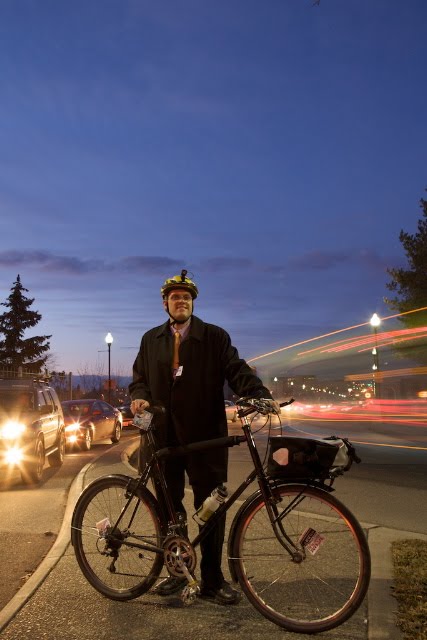
Jon Snyder of Spokane is the founder and owner of the publication Out There Monthly, a family man, and he rides his bike for everyday transportation.  He also happens to be a member of Spokane City Council.

Photo by Ben Tobin.

Working two jobs and raising two young kids does not give Jon much time for recreational pursuits, which is why he likes to use his bike for transportation.  He believes Spokane is a great city for cycling and he rides his bike year round in all sorts of weather.

“Biking keeps me alive and it’s a funny thing to say since I do almost all of my cycling in traffic on urban streets that many folks think are dangerous,” Jon commented.  “But as a city councilman and small business owner, the more dangerous choice is not being healthy and not being in touch with my surroundings.”

Jon helped champion the passage of the City’s Complete Streets resolution earlier this year.  He’s a member of the Bicycle Alliance and proudly sports Share the Road license plate number 230 on his vehicle.

Posted in Go By Bike, I Bike, People, Spokane County | 1 Comment

You Can’t Keep a Good Bike Advocate Down

After taking a week off for her daughter’s wedding, Washington Bikes’s Executive Director Barbara Culp was looking forward to returning to the office last Monday.  She donned her new summer dress, mounted her bike and pedaled out of her driveway.

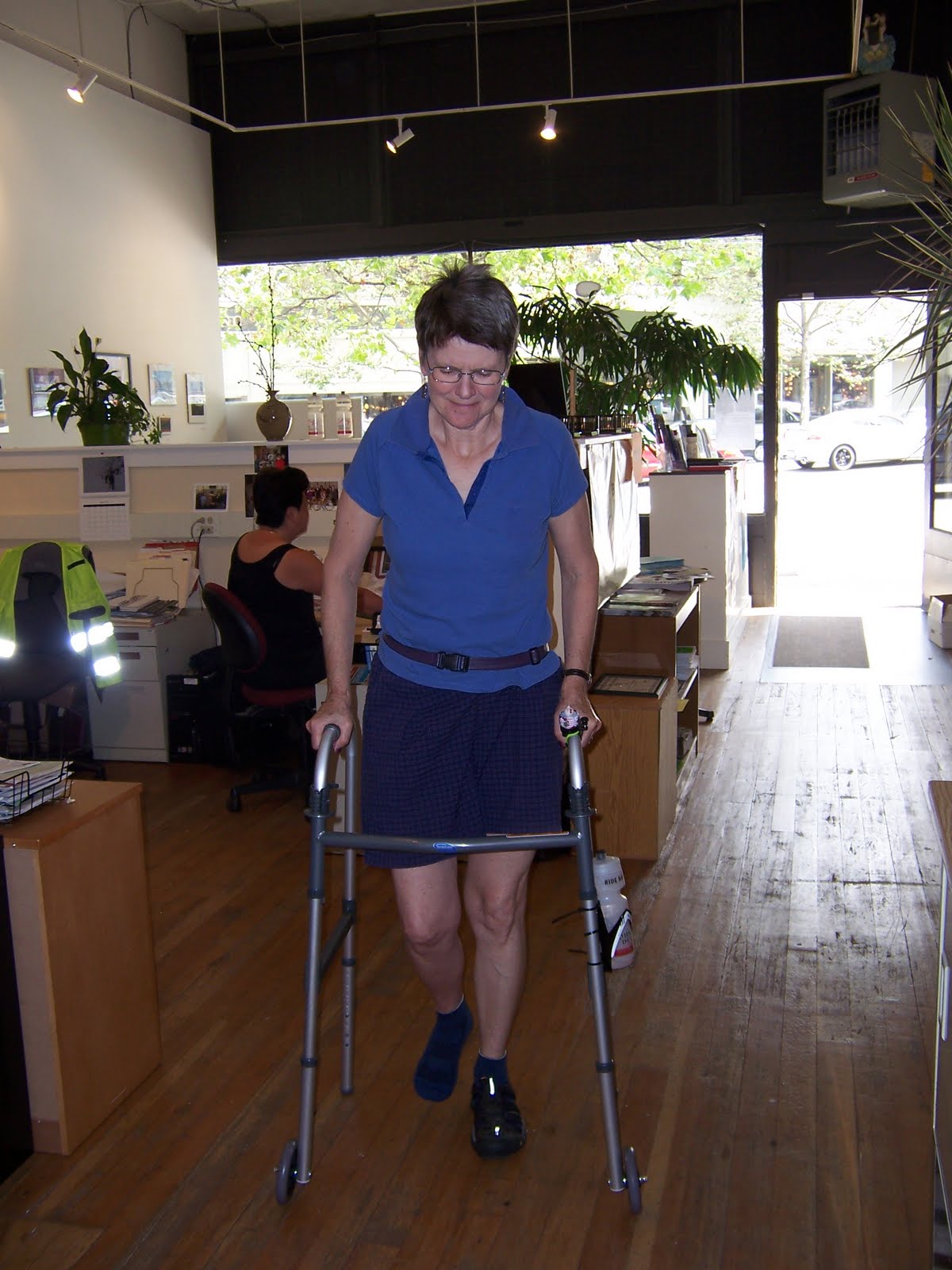
Barb makes her way to her office.

Less than two blocks from her home, Barb encountered street construction and moved to the sidewalk to get around it.  As she made her move to return to the street, she hit loose gravel from the construction and went down.  (You can read an accounting of it in Publicola’s Morning Fizz.)  The result was three hairline pelvic fractures for Barb and doctor’s orders to stay off her right leg for three months.

But you can’t keep a good bike advocate down for long.  After ten days of house rest, Barb has returned to the Bicycle Alliance on a part time basis.  Our office is ADA accessible so Barb can negotiate her way around with crutches and a walker specially equipped by the staff and JRA Bike Shop with a water bottle cage, basket and Hello Kitty bike bell.

Barb’s tricked out walker.

“This is an exciting time for the Bicycle Alliance and I’m delighted to be back in the office,” said Barb.  “We’re bringing Safe Routes to School to six King County school districts under a Public Health grant and expanding our Mobility Education curriculum to up to 30 school districts around the state.”

The Bike Alliance is also planning a Hub and Spoke event in Walla Walla, some outreach efforts in the Tri-Cities, and a Complete Streets meeting with Whatcom County bike advocates–all in September.

Welcome back, Barb!

Posted in Advocacy, People, Safe Routes to School | 1 Comment

The Faces of Volunteerism

Jennifer Kogut

Whenever you read The Advocate, our quarterly newsletter, you’re reading a product that Jennifer Kogut has had her creative hands on. An editor by profession, Jennifer–a Seattle native–has edited our publication as a volunteer for over six years.

Six years.  That’s a chunk of time to devote as a volunteer to the Bicycle Alliance–and we are so appreciative of Jennifer’s generosity with her time.  We are also very fortunate that there are others like her who give us many hours over a span of years.

For instance, there’s Dave Shaw.  Dave has donated his time as our database guru for many years, is a current contributor to our blog, and has served on our Board of Directors.  There’s Rebecca Slivka, another Seattle native.  She has been our volunteer webmaster, among other things.  Or David McCulloch of Port Townsend, who has helped us advocate for signed bicycle routes, bike imrovements to the Hood Canal Bridge, and served on our Legislative & Statewide Issues Committee.  You can read about these good folks and others featured under the Volunteer Spotlight section of the our website.

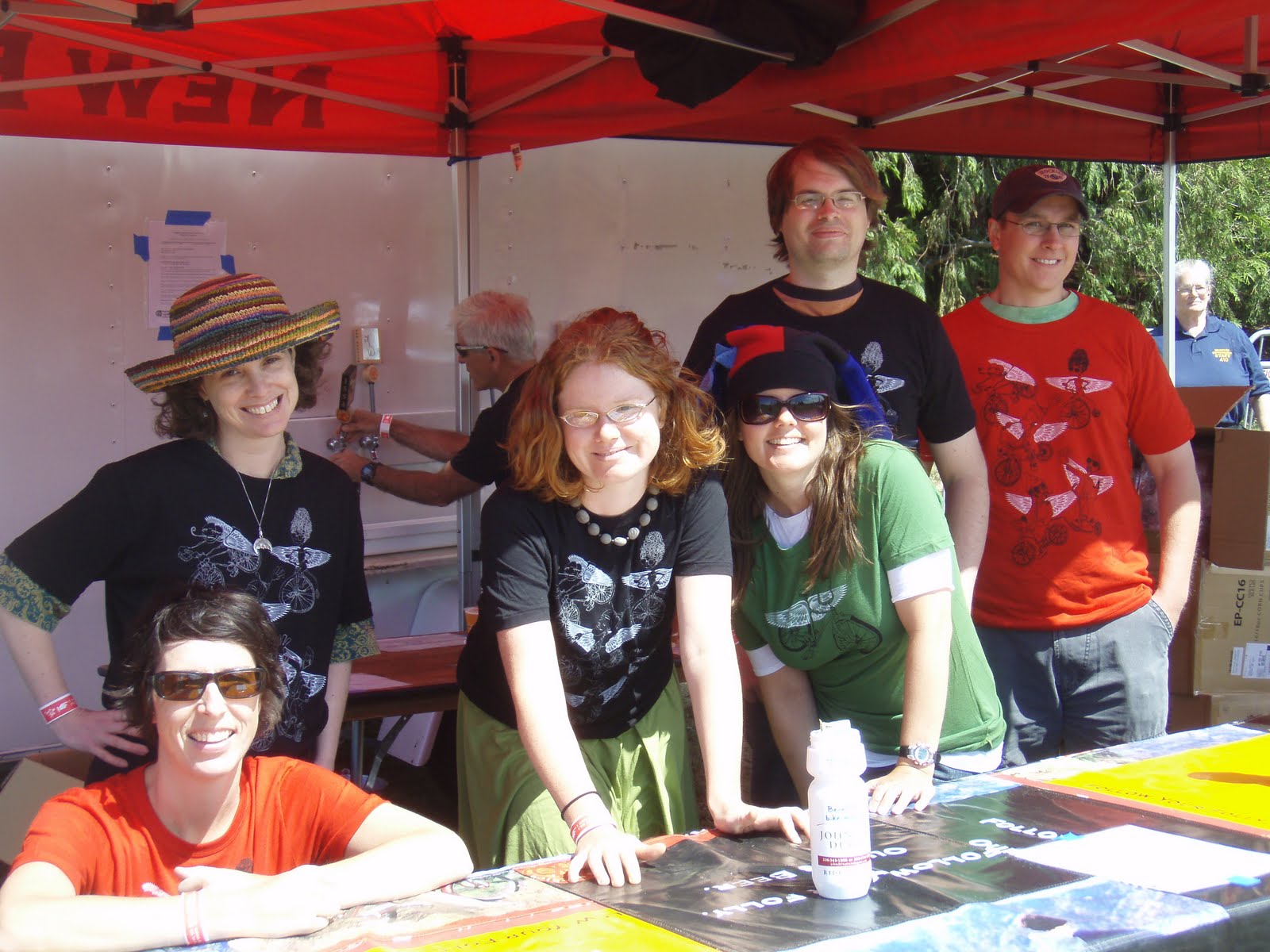
Tour de Fat volunteers.

Not everyone can devote hours to bicycle advocacy. Many volunteers choose to help the cause through occasional letter writing to elected officials, attending Transportation Advocacy Day in Olympia, or helping us with special events–such as Tour de Fat or our annual auction.  Their efforts are invaluable to us and many repeat their volunteer roles for these events for several years.  We tip our helmets to them as well.

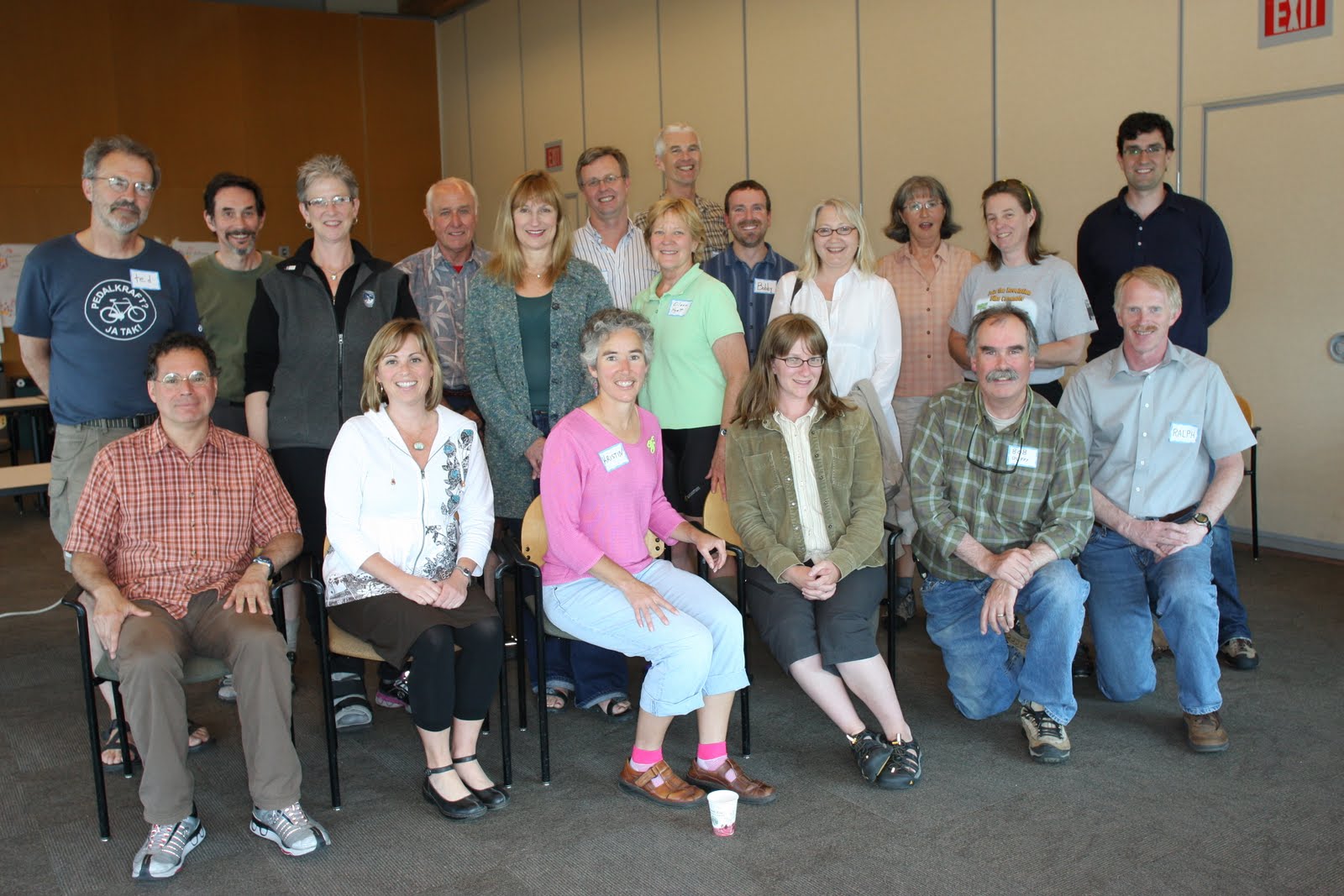
2009 Board & Staff photo

Some volunteers rise to the top as leaders for Washington Bikes–our Board of Directors.  These committed individuals create our vision, set our agenda, and ensure that we have adequate human and financial resources to accomplish our work.  They are passionate about our work and many devote an extraordinary amount of time to the organization.  Saying thank you seems inadequate, but it is a sincere thank you!

Are you inspired to give some time to Washington Bikes? Perhaps you’d like to help us at one of our month end work parties at the office.  Contact Donna Govro for more information.  We are also recruiting volunteers for our recently launched Outreach Corps.  Would you like to contribute articles to our blog or newsletter?  Contact Louise McGrody with your story ideas.  Maybe you have your own project idea in mind or you’d like to help us out with an event.  Please contact us–we’d love to hear from you!

Volunteers attend Mariners game.
Posted in Advocacy, People, Volunteer | 1 Comment

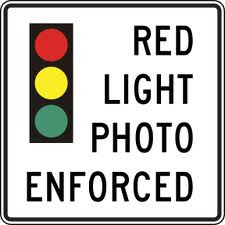
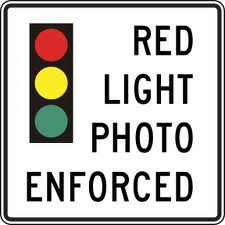
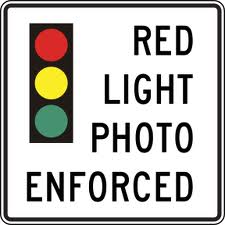
Red Lights: What About “Stop” Don’t You Understand?

Red-Light Camera Haters and Scofflaw Cyclists Should Both Get a Grip
Opponents of red-light cameras are mad as hell—apoplectic might be a better description—and they’re not going to take it any more.
Their descriptions of the automated cameras—used to identify and ticket red-light runners—range from a relatively mild “unfair” through “extortion” and worse. The cameras represent “Big Brother.” They’re apparently a threat to liberty. They’re unsafe. Initiative promoter Tim Eyman, employing his usual penchant for understatement, says the cameras are “all about the money” and are “the crack cocaine” of City leaders. Eyman has even sponsored a City of Mukilteo initiative that could ban the cameras.
This being the age of the Internet, the cameras have also spawned a host of websites with names like Camerafraud.com and Ban the Cams.org. The latter website explains that its purpose is to “combat the abuse of power” that the cameras represent.
Another site, “Photoenforced.com,” has a map that pinpoints the locations of red-light cameras around the country; the map is surrounded by a changing array of ads. Some are for lawyers who will help you fight your DUI or speeding ticket. Another ad that appears on the site invites you to buy an “invisible license plate—easy application makes your plate completely invisible to cameras!”
What kind of motorists tend to run red lights, anyway? Granted, it could happen to anyone occasionally. But the Insurance Institute for Highway Safety, a non-profit group financed by insurers, compiled information based on actual driver behavior at one Arlington, Va. intersection. According to the Institute, red-light runners tended to be younger, less likely to use seat belts, and have poorer driving records than drivers who didn’t run red lights. They were also three times more likely to have multiple speeding convictions.
Red-light running is also very common. A Fairfax, Va. Study cited by the Institute and based on observations made at several busy intersections without red-light cameras showed that, on average, a motorist ran a red light every 20 minutes at each intersection–more often during peak travel times.
Statistics compiled by the group also show that red-light running is a deadly problem in the United States. In 2008, 762 people were killed and an estimated 137,000 were injured in crashes involving red-light running. About half of such deaths involve pedestrians and people in vehicles hit by the red-light runners. (I didn’t find separate statistics on cyclists killed by red-light runners. But cyclists, as a vulnerable-user group, obviously face risks similar to those faced by pedestrians.)
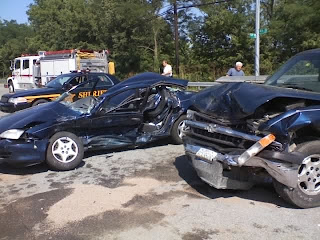
If you still think the problem is overblown, then take a look at this video, which records an actual crash and starkly illustrates the havoc that a red-light runner can cause. Even more graphic videos are available if you care to peruse YouTube.
In light of the deadly results red-light running, the high death rate on American highways, and the fact that strained law-enforcement budgets will never support a motorcycle officer at every intersection, it’s a little hard to swallow the victim mentality that seems to pervade the anti-camera movement.
Big brother? An invasion of privacy? Hardly. Driving a car is not a personal act between two consenting adults. You’re out there on a public highway for the world to see, and your behavior can have deadly consequences for those forced to share the road with you. When you look at the real technology-related privacy threats we face, with everyone from Google to the U.S. Government vacuuming up our personal data, concern about red-light cameras seems weirdly misplaced.
The Insurance Institute’s data also debunks camera-opponent’s clams that the cameras actually increase accidents. To the contrary, concludes the Institute, the cameras tend to decrease both crashes and red-light violations.
A word to those who may doubt the Institute’s data because of its ties to insurers: Say what you will about members of the car-insurance industry, they are generally very good at evaluating the risks upon which their bottom lines depend. You can rest assured that if red-light cameras increased accidents (and claims), insurance companies would oppose them.
Now a word to those cyclists who may be nodding their helmeted heads in agreement with this post: Red lights apply to you, too. It’s true that a bike and cyclists weighing a total of 200 pounds or less pose a much smaller threat than say, a Chevy Suburban. In fact, if you run a red light on a bike, the person most likely to end up dead is you. If that prospect doesn’t concern you, then consider the way that cycling scofflaws irritate other road users and give ammunition to anti-cyclists. It may be unfair for them to paint us all with such a broad and negative brush, but it happens. If you break the law, it hurts us all. You may be able to come up with all kinds of reasons why cyclists should be able to run red lights, from safety to convenience to bad road sensors to moral superiority. the New York Times Ethicist even approves of it under some circumstances. But none of those reasons changes the fact that it’s against the law. If you decide to do it and get a ticket, don’t complain.


Posted in Attitudes, Funding/Policy, Legal, Politics, Transportation | 3 Comments

Tour de Fat Features Bikes, Folly and Fundraising

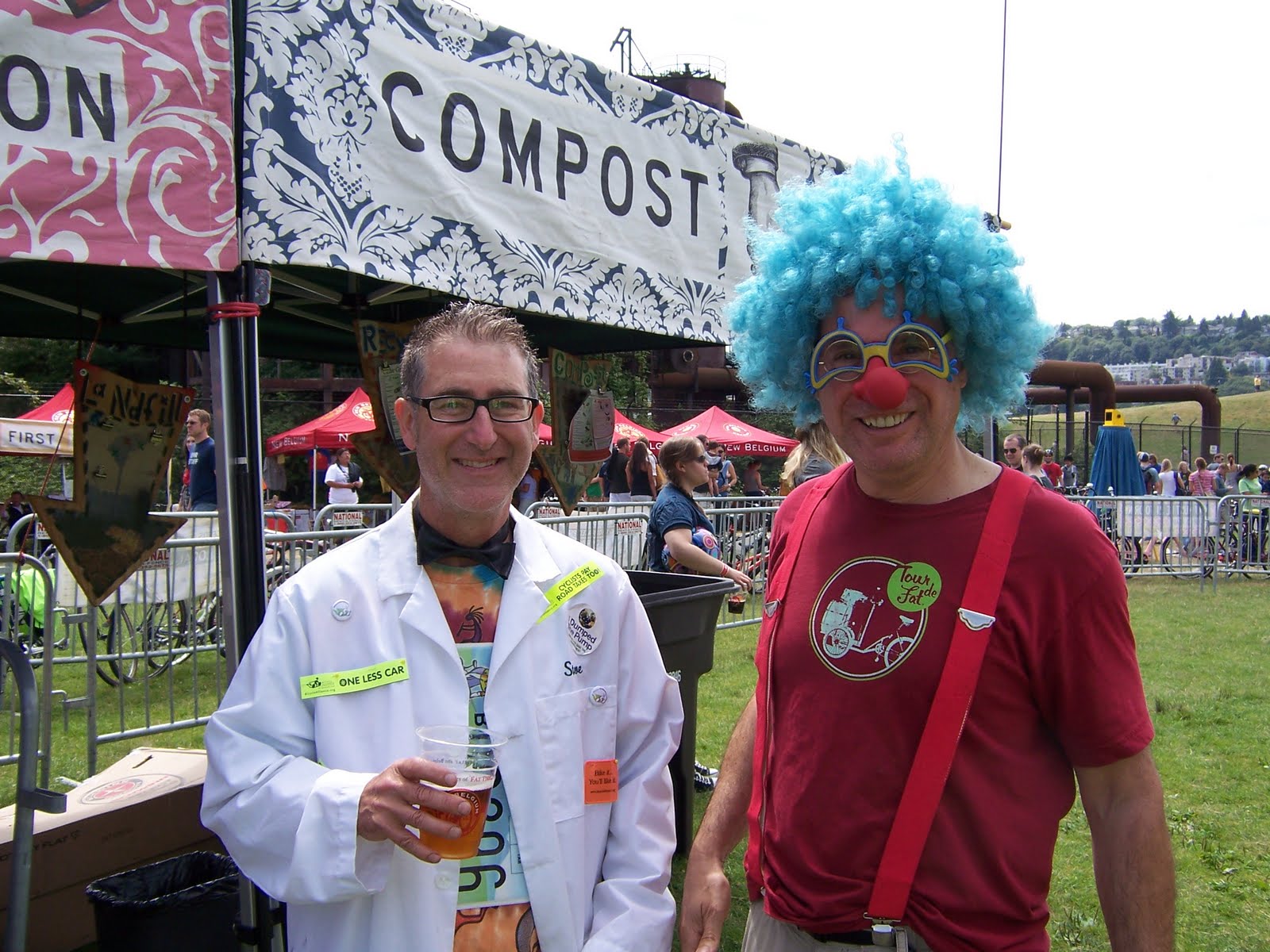
Tour de Fat, New Belgium Brewing Company’s traveling festival in celebration of bikes, rolled into Seattle on Saturday–and what a celebration it was!  Around 4000 revelers, many in costume, participated in the festivities at Gasworks Park.

Tour de Fat brings bikes, beer and entertainment together to raise money for bicycle advocacy and education.  This year’s Seattle event raised nearly $14,000, which will benefit the Washington Bikes and Bike Works

A special thank you to the 60+ volunteers who helped the Bicycle Alliance run the beer garden and staff our info booth.  You guys rock!

Missed out on this year’s fun?  Here’s a synopsis:

Hundreds of bicyclists of all ages gathered at Gasworks Park Saturday morning to participate in the bike parade that launched Tour de Fat.

And they’re off to ride through the streets of Fremont and visit the Troll!  Check out this YouTube clip of the parade
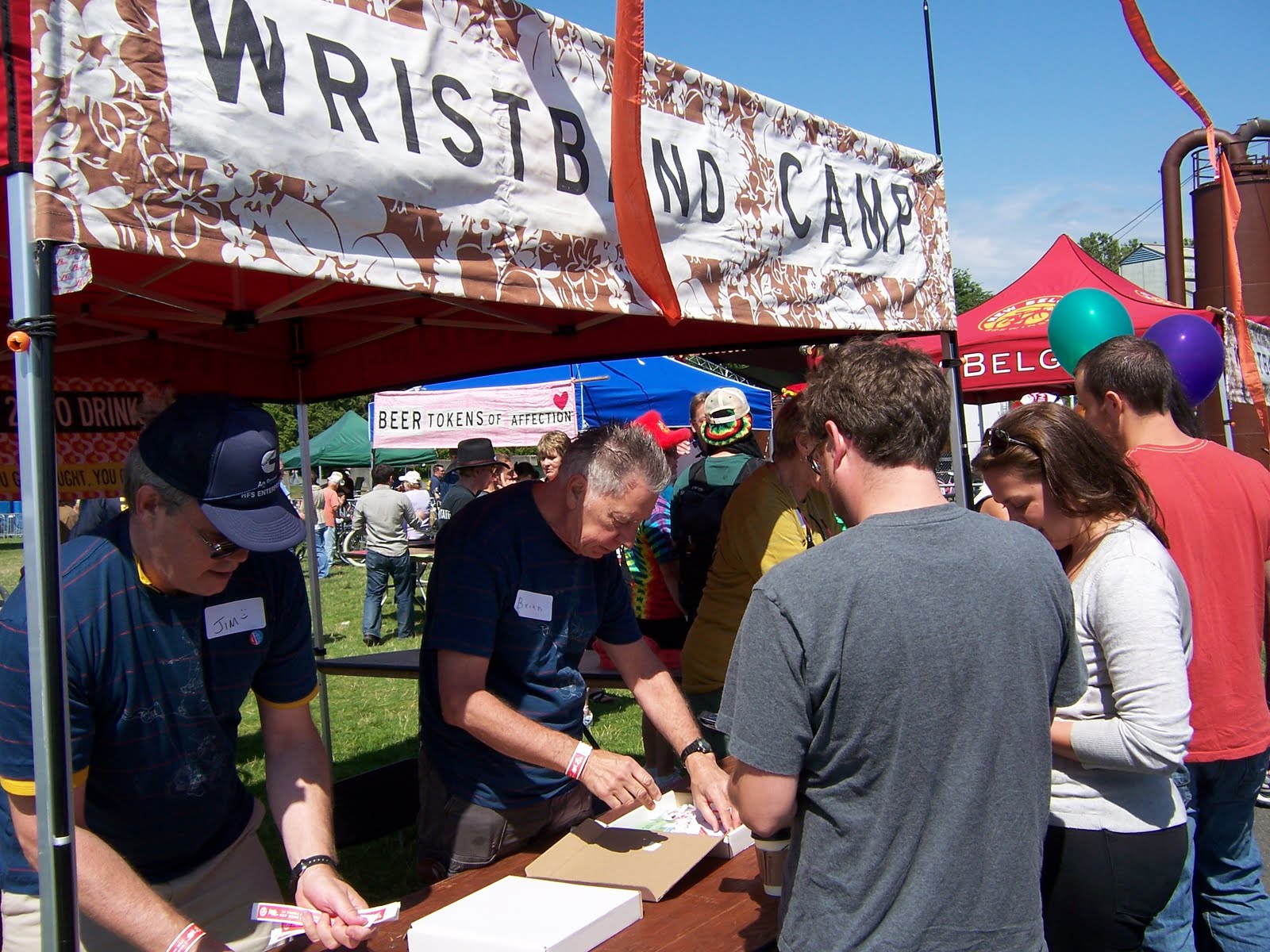
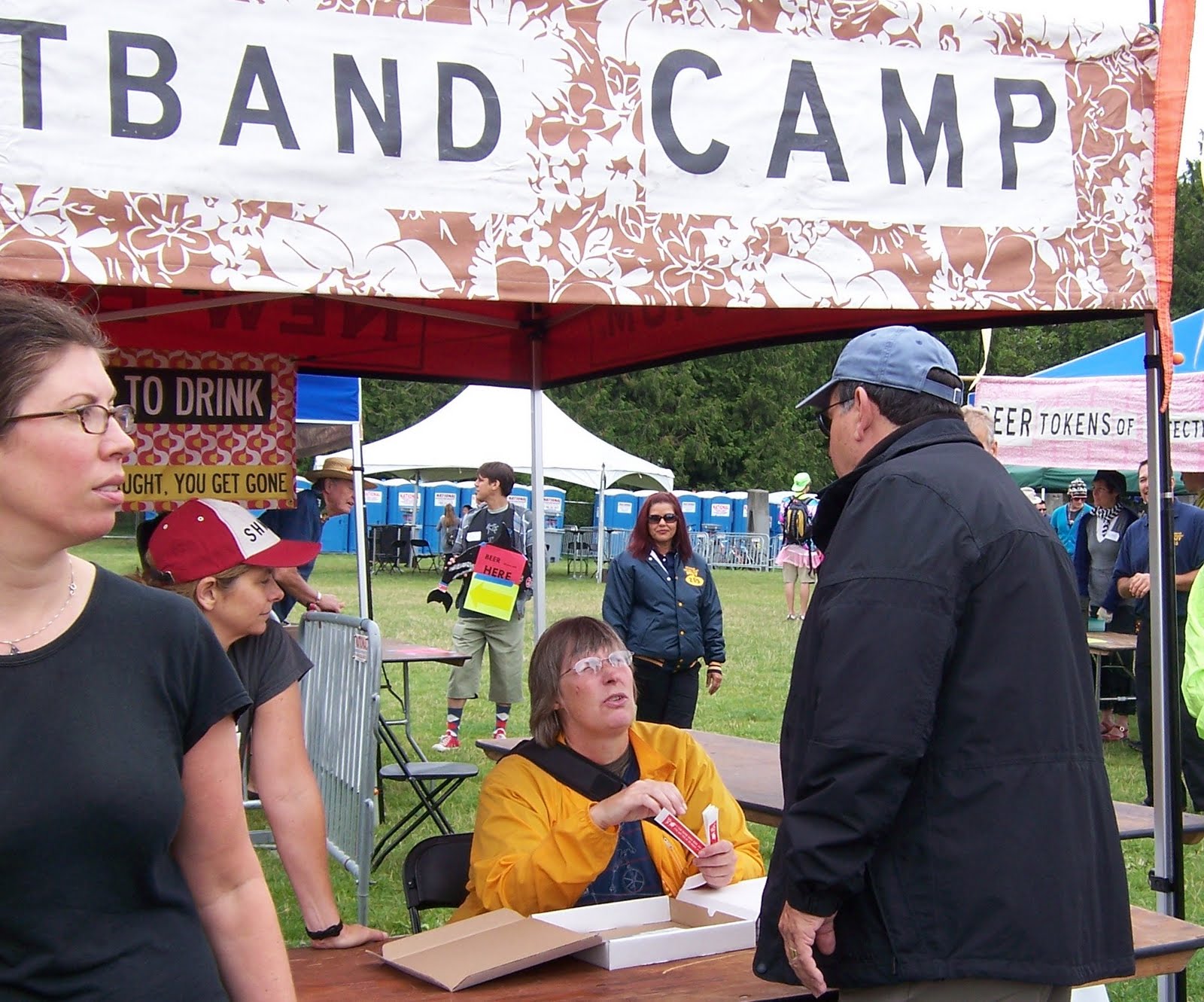
Bicycle Alliance volunteers checked IDs of visitors entering the beer garden,
and sold beer tokens…lots of beer tokens!
Bike Alliance volunteers were busy pouring and serving beer.
Volunteers staffed a water station, our info booth, and helped with set up and tear down.
Tour de Fat featured wacky folks in wacky costumes,
wacky bikes to try out (a You Tube video shows them in action),
and a Car for Bike Trade (also captured in a video clip).
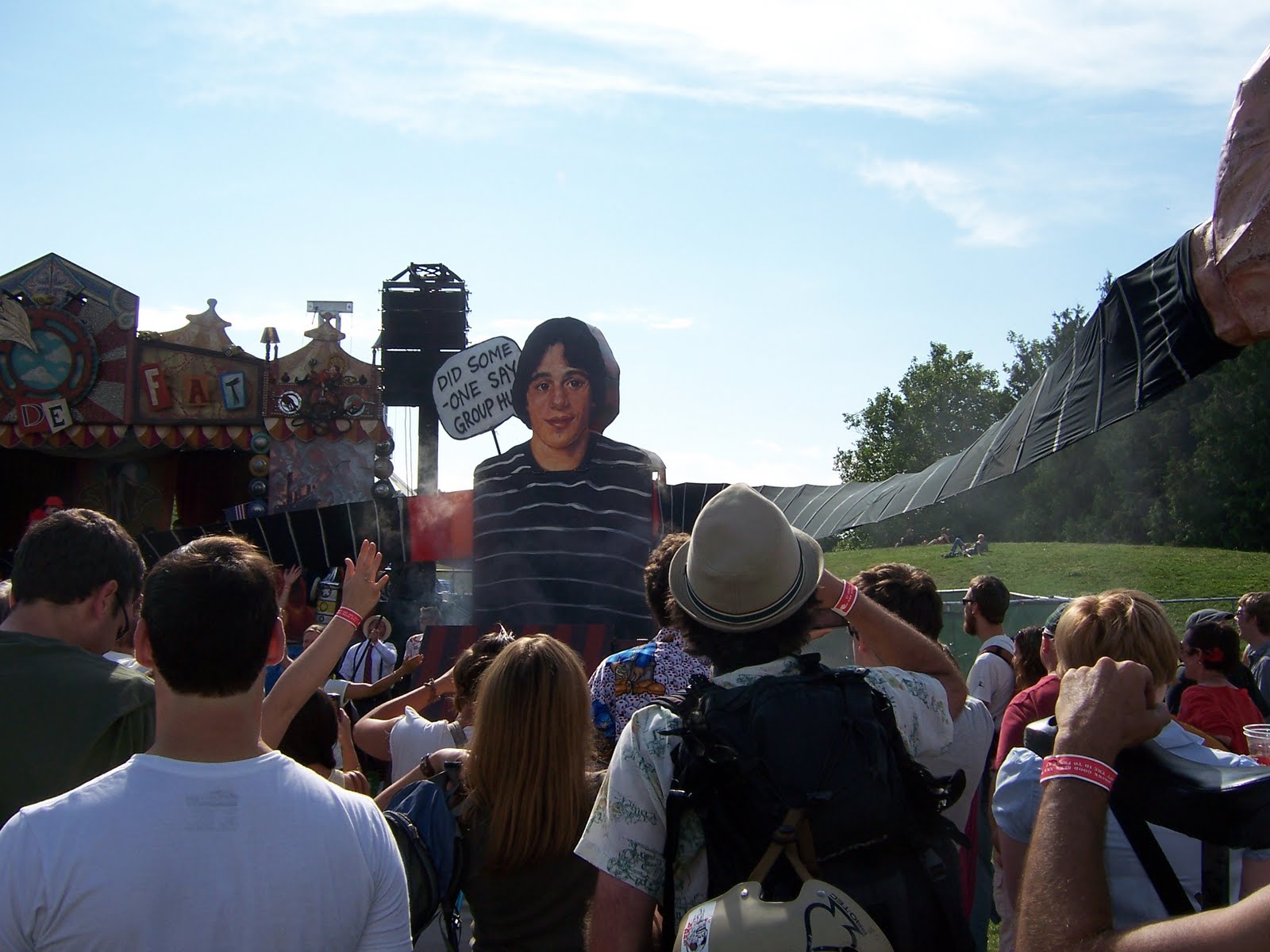
And the festivities ended with a group hug from Tony Danza!
Need more Tour de Fat?  Check the coverage on Tubulocity, the Seattle Bike Blog, and Bikejuju.  And more pics on our Facebook page!
Posted in Bike Culture, Events, Seattle, Tour de Fat, Volunteer | Comments Off on Tour de Fat Features Bikes, Folly and Fundraising

Saving the View, One Ride at a Time

View from Seward ParkRiding across the I-90 bridge on my morning commute, I reveled in the mountain views. What a beautiful place I have the honor and pleasure of calling home! Yet the view saddened me, too: After a day or two without rain, the smog buildup begins obscuring the mountains. This morning, after a dry week, I could barely make out Mt. Rainier. It looked like a mirage, faint white and blue brush strokes painted onto the blue-brown horizon. The Cascades hid in the hazy distance, and the Olympics shyly showed only a faint outline to the west.

This saddened me because I remember how stunning, even breathtaking, I found the same vistas in January. When the clouds and rain gave us surcease, the mountains came out looking close enough to touch. The Cascades and Olympics stood out vividly, their snow-capped peaks cutting boldly across the wintry blue sky, their foothills definitively black and navy and purple. Sunrise light (which coincided with my morning commute) gilded Mt. Rainier and its shawl of wispy clouds, later turning the snow the colors of a Dream Come True.

Comparing my memory of the crisp winter mountain views with the summer’s smoggy blur reinforced my top reason for bicycling: reducing my environmental impact. Cutting carbon footprint isn’t on the forefront of most bicyclists’ minds. People usually ride to save money — that’s the number one reason. Other reasons to ride include:

  • Building exercise into your day (don’t pay for a gym membership, don’t have to exercise the willpower to workout after a long day, don’t have to fit it in time-wise);
  • Not needing to buy gas (which goes back to money, not supporting foreign nations, and contributing less to horrific environmental disasters);
  • Easier parking (park in your cubicle, against any fence or post, in pretty much any secure place, or, in Pioneer Square, BIKE PORT); and
  • Faster commuting (in the city riding often outpaces taking a bus or driving; see here and here)

The added bonus of reducing CO2 emissions is a maraschino cherry atop the sundae of reasons for bicycling for many cyclists. But for me, living in Seattle and loving the place itself, bicycling is about doing my bit to keep Washington beautiful. This place is my home. I’m responsible for caring for it, so I ride my bike.

Posted in Commuting, Seattle, Sustainable Living | Comments Off on Saving the View, One Ride at a Time

First Thursday Open House and Photo Exhibit

Louise Kornreich photo

Washington Bikes is turning our office into a photo gallery for the Pioneer Square First Thursday art walk on August 5. We’re hosting an open house from 6 – 8 pm and featuring the photographic works of Bike Alliance members Louise Kornreich, Carla Gramlich and Susan Hiles.

Louise Kornreich, Seattle, has pursued photography almost as long as she has pursued cycling.  She finds that the two activities fit well together.  With a camera, she can supplement her memory of a place or an event, making it more meaningful or beautiful.

“I like to travel, by bicycle or hiking boots, to destinations near and far, often writing about them on my blog,” stated Louise, who is the President of COGS – Cyclists of Greater Seattle .

Carla Gramlich photo

Tacoma resident Carla Gramlich developed a passion for photography when she was in grade school, but recalled her father being unhappy that she was “wasting” film.  She did a photography internship when she was in high school, then worked for awhile at a photo lab in Portland.

Carla enjoys nature and urban photography.  She plans to retire next year and is looking forward to some travel time on her bicycle.  She has outfitted  her touring bike with an Ortlieb case so can carry her photo gear with her.  Carla is a member of the Tacoma Wheelmen’s Bicycle Club and sits on their board.

Susan Hiles photo

Susan Hiles of Bellevue became interested in photography in the early 90’s when an attorney she worked for gave her a camera.  She has since moved on to digital photography and is active with several local camera clubs.  She enjoys macro photography, and has spent a lot of time photographing flowers and butterflies.

Susan is a member of the Cascade Bicycle Club and she has coordinated the Bike Expo Photo Contest for 5 years.  She has also served as the volunteer photographer at the Bicycle Alliance’s Annual Auction.

Posted in Events, People | 1 Comment

Biking is Provocative

“Hey you!  Get off the road!”

Sound familiar?  Your presence on the street has provoked a motorist who shouts this epithet and flips you off as he roars by.  His behavior provokes feelings in you.  Maybe fear if he passed you too closely; maybe anger and indignation because you know have a right to the road.

Biking is provocative.  The act of riding a bike provokes a spectrum of feelings in us as cyclists.  Biking can be liberating, exhilarating and joyous–bringing out the inner child in us.  It’s a simple pleasure that can bring an instant smile to your face.  Conversely, navigating an urban arterial at rush hour can make you feel vulnerable and intimidated.  Getting buzzed by an oversized pickup truck or chased by a snarling dog on an otherwise quiet country road is also unnerving.

The act of biking can provoke reactions from others, many positive.  I was biking home from work recently when a pedestrian yelled “yay, cyclist!” at me.  Her cheery response prompted me to smile and wave.  I have also been given a “thumbs up” from motorists, and waves of acknowledgement from fellow cyclists and motorcyclists.

My all time favorite reaction came from a preschooler standing at a street intersection with his mom.  As I approached, the boy started doing a happy dance, pointed my direction and said, “Look!  That lady is riding a bicycle!”  I stopped to share in his delight and learned from his mother that he had just received his very first bike.

Not all reactions are positive, as evidenced in the opening example.  A Pemco Insurance poll confirmed that most motorists are uneasy drving around cyclists (see previous blog post).  They aren’t sure how cyclists should behave and they don’t necessarily know how to share the road with bikes.

We cyclists can do our part to reduce negative reactions from motorists by riding safely in traffic and following the rules of the road.  If you’re new to biking, check the Washington Bikes website for information on bike commuting, bike maps, local clubs and Washington State bike laws.  Some bike clubs and bike groups offer classes and rides to help you become comfortable biking in traffic.  Contact us if you have need help finding such a class.

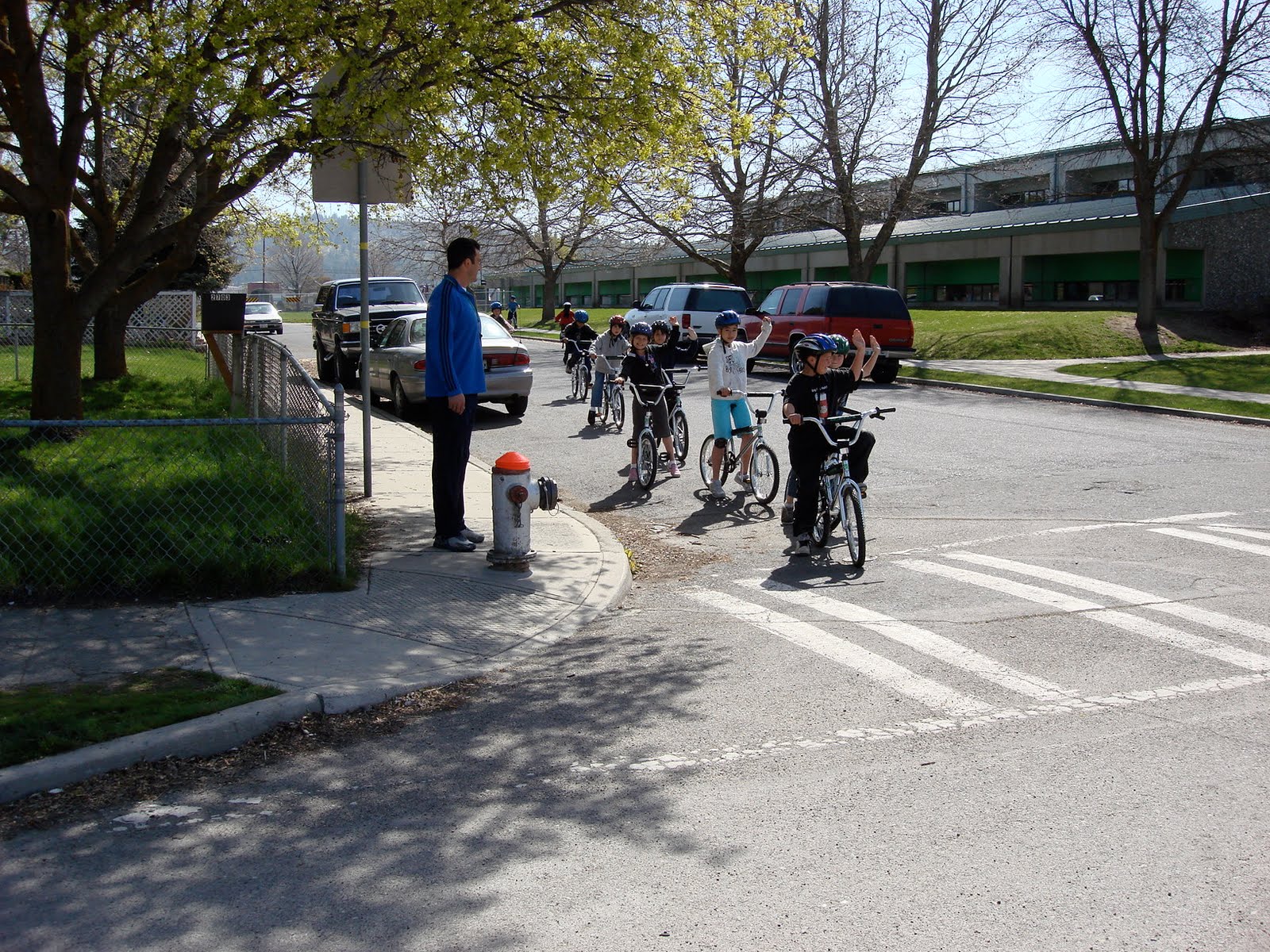
Washington Bikes is working to ensure that the next generation of bicyclists will have the proper riding skills through our Safe Routes to School program.  We are training middle school teachers around the state to use our bike skills curriculum with their students.

We are also busy educating motorists on how to share the road with us.  Washington Bikes developed a Share the Road curriculum that has been incorporated into drivers education programs in our state.

I like that biking can be provocative, and I do my best to elicit the positive reactions.  What kind of reaction does your riding style provoke?

Posted in Attitudes, Education, Go By Bike, Share the Road | 1 Comment

I want to drive my bicycle, I want to drive my bike

I first heard someone say they were going to drive their bicycle about 3.5 years ago in my League Certified Instructor seminar. I found it odd at first and didn’t really think much of it until the last year or two. Since a bicycle is defined as a vehicle under the Revised Code of Washington, a bicycle driver has the same rights and responsibilities as the driver of a motor vehicle. This is why it makes sense to use the word ‘drive’ instead of ‘ride’. It also seems to make the act of bicycling sound more official and serious when you use the word drive.

I’ll admit I still say ride sometimes, try as I might, I can’t catch myself everytime. I try and use the word drive when I’m teaching bicycle commuter classes, it reinforces the notion that the bike is a vehicle and should be treated as such.

I don’t know if the nomenclature will ever catch on fully, perhaps if we all start saying ‘drive’ and teach our kids how to drive their bikes it will.

Have you ever heard someone say they’re going to drive their bike? Do you ever say it? What are your thoughts on the wording?

Posted in Education, Share the Road | Comments Off on I want to drive my bicycle, I want to drive my bike