Report Street Hazards – Persistence Can Pay Off
Give me money
(With apologies to the Beatles)
The plan, unveiled to much fanfare in 2007, had lofty goals: triple the amount of bicycling in Seattle within ten years, reduce bike crashes by one-third during the same period, and “make Seattle the best community for bicycling in the United States.”
Problem is, the plan is woefully underfunded. According to a February story in Seattle’s Publicola news blog, funding was projected to fall about $165 million short of the $240 million required—a shortfall of nearly 70 percent. The City’s Pedestrian Master Plan is similarly short of money.
In response, a coalition of citizens’ groups has formed under the banner of “Streets for All Seattle.” Their aim: Work with City officials to find $30 million in annual revenue to make the bicycle and pedestrian plans a reality, and to fund Metro transit service.
Specific sources for the money have been discussed but final decisions haven’t been made. Instead, a Streets for All spokesperson said, “We want to have a conversation with the council, the mayor, with all of our partners to see what really works [for stable funding].” Possibilities include things such as a motor-vehicle licensing fee or an increased commercial parking tax.
The Bicycle Alliance has endorsed Streets for All’s efforts, and we’ll keep you posted as the campaign unfolds. Meanwhile, you can find out more about the coalition at http://www.streetsforallseattle.org/.
Rules of Thumb
Ding-a-Ling, a Heavenly Sound
As cyclists, we hear plenty about motorist-bicyclist friction, possibly because one-ton hunks of metal hurtling around us seem like the greatest threat to our safety. In reality, bicyclist-motorist collisions comprise a mere 17% of all bicycle crashes. The largest cause, according to the League of American Bicyclists, chalk 50% of all crashes up to operator error. We are perfectly capable of bringing ourselves to the ground all on our lonesome. The final 33% of crashes cover everything else: Bicyclists hitting (or being hit by) animals, other bicyclists, or something other than a car.
It’s this last category that interests me, since during Bike to Work Month, the number of bicyclists on the road — and thus the likelihood of colliding with another bicyclist — increased dramatically. This means that lots of people who normally only ride on weekends hop in the saddle during normal commuting hours and start working on logging those miles.
What did this wonderful increase in cycling mean for me personally? More than anything else, I experienced a dramatic increase in stealth passing, usually by bike path racers. Innumerable times on my commute, I would be blithely pedaling along and suddenly find another cyclist next to me, often much closer than was safe, ghosting by with nary a word or ding-a-ling. Not only did this discourtesy irritate me, it endangered me unnecessarily.
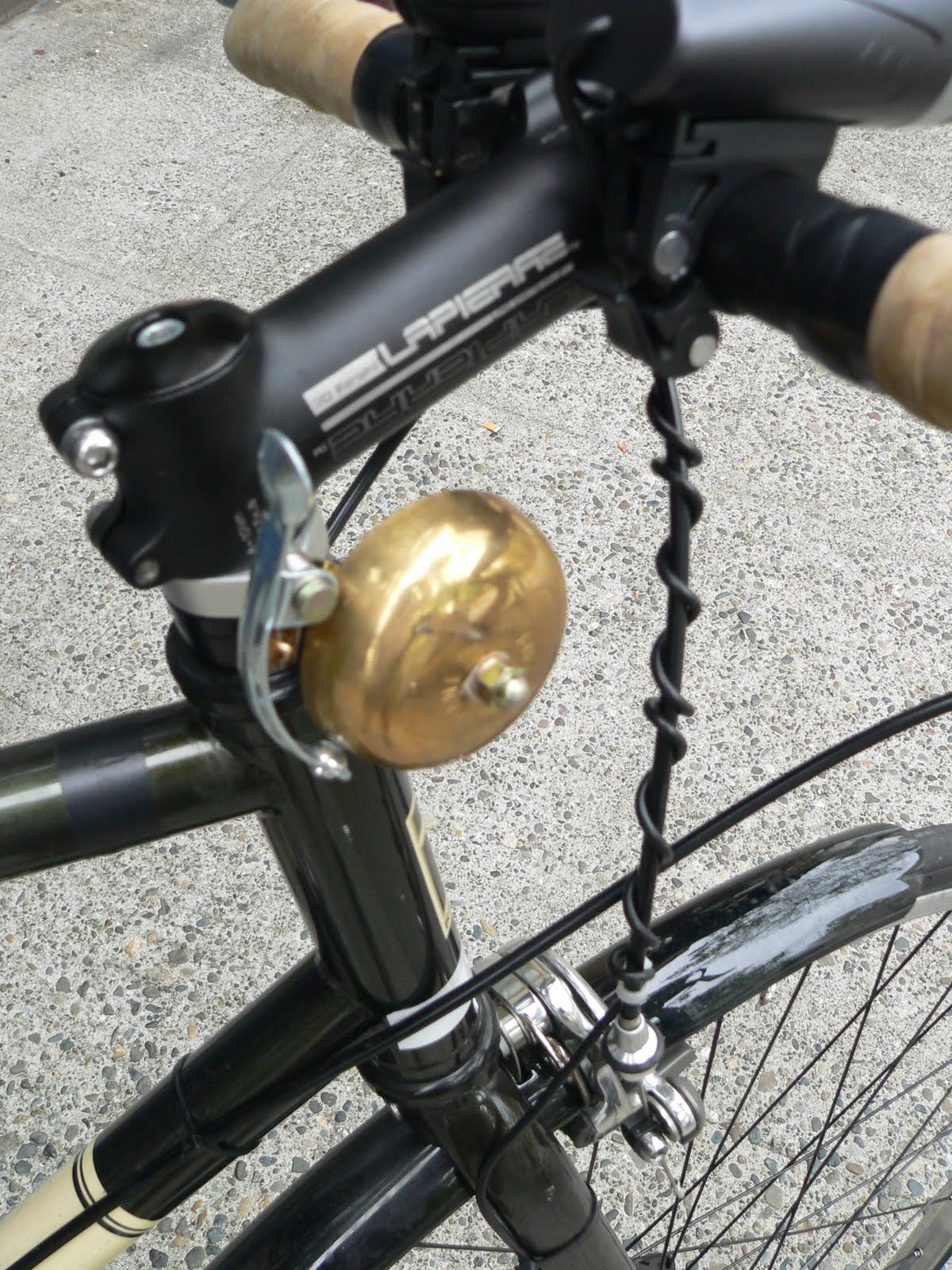
I love to see more people bicycling, and I dream one day of living in a society where nobody bats an eye at biking for transportation because it’s as normal as driving is right now. But I hope that when that day comes — and you can be sure it will come — it comes with a good dollop of on-bike courtesy, too. Let’s start making that dream a reality: take a moment to politely call “On your left” or ding a bell next time you pass somebody.
I Bike: Tell Us Your Story!
Washington Bikes wants to put a personal face on bicycling when we talk to elected officials, corporate supporters and the general public. We’ve dubbed this effort the I Bike project.
Would you like to tell us your story so we can share it in support of our mission? We may tell your story on our website and other forms of electronic media, in our print publications, or at presentations and outreach events. Email me at LouiseMc@wabikes.org with the following information: your name, city, occupation/what you do, your bike story (why you bike, where you bike, why biking is important to you, etc.), and a photo of yourself.
Today I’d like you to meet Denise Jones.
I Bike: Denise Jones
Denise Jones lives in downtown Bellevue and works at the Microsoft office in Seattle’s Pioneer Square. She bikes to work 2-5 days per week. While her job can be very stressful, Denise has her commute to mellow her out.
“I cycle because it’s the greatest freaking sport on earth. What other sport can combine your workout and your commute at the same time?” points out Denise. “I love my bike. I pledge allegiance to my bike,” she adds.
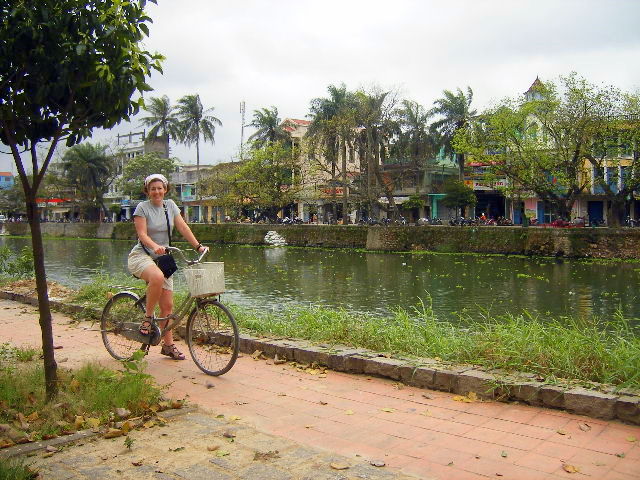
Another bonus of biking has been weight loss. Denise dropped 30 pounds and now wears a size 6. Her husband thinks that’s pretty cool. Denise is also an international traveler and sent us this photo of her biking in Vietnam.
Hang Up or Pay Up!
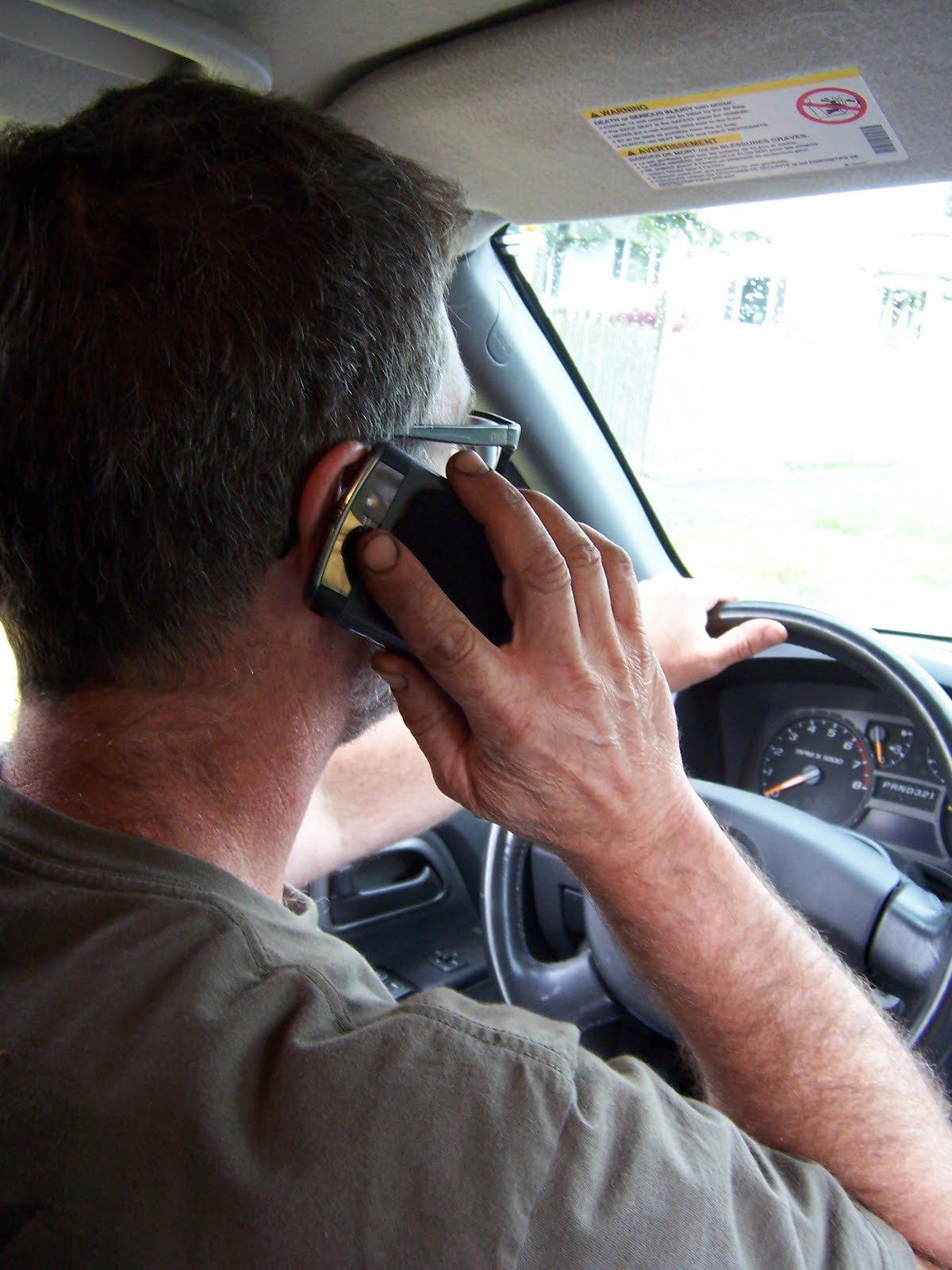
A few weeks ago, as I was walking to the West Seattle Farmer’s Market, I was forced to back pedal in the crosswalk as a left-turning motorist breezed through–oblivious to my presence as he chatted on his cell phone. Sound familiar?
Beginning June 10, motorists in Washington State can be ticketed for using a handheld cell phone or sending and receiving text messages while driving. For drivers younger than 18, even the use of a hands-free cell phone while driving is off limits. The fine is $124.
The passage of this law comes too late for Gordon Patterson of Vancouver. In September 2009, Patterson, a teacher, was biking home after work when he was struck from behind in a bike lane and killed. The motorist fled the scene and was later caught. Evidence showed that the driver, 18-year-old Antonio Cellestine, was sending and receiving text messages when he hit Patterson. In January of this year, he was convicted of vehicular homicide and sentenced to five years in prison. Read the article in The Columbian for more details.
The campaign to pass this law was spearheaded by the Driven to Distraction Task Force of Washington State, of which the Bicycle Alliance is a member. We rallied cyclists across the state to contact their legislators in support of the bill. As bicyclists, we are more vulnerable on the roadway to inattentive drivers than folks enclosed in vehicles.
This law won’t ensure our safety on the roads but, if this law is enforced, it will help. I, for one, will continue to watch out for the other guy.